The Montessori philosophy

Dr. Maria Montessori and the ideas that guide our classrooms

A plain account of who she was, what she observed in children, and how that method shapes a day at school.

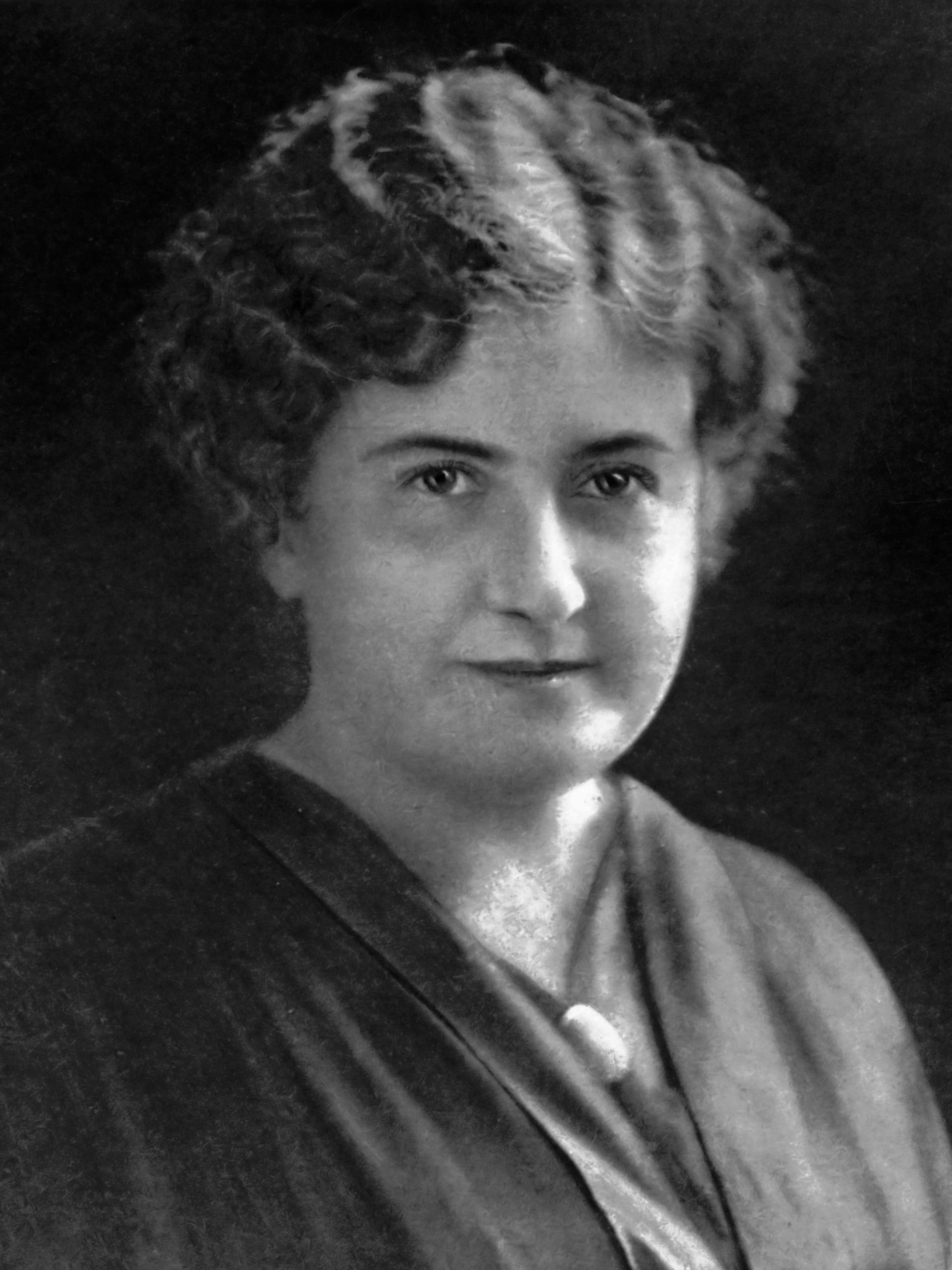
Dr. Maria Montessori

A physician who learned by watching children

Dr. Maria Montessori (1870–1952) was an Italian physician and educator. In 1896 she became one of the first women in Italy to qualify as a doctor. She then spent years working with children and studying how they learn.

In 1907 she opened the first Casa dei Bambini, the Children's House, in Rome. The children were young. She gave them real tasks, child-sized tools, and the freedom to choose their work. They concentrated for long stretches, learned through their hands, and began to care for the room and for one another.

She spent the rest of her life training teachers and writing about what she had observed, including The Absorbent Mind. The method that carries her name is used in early childhood classrooms around the world, including ours.

Dr. Maria Montessori
The method

Ideas that shape the classroom

These are the observations Montessori returned to, and the ones our guides still use.

The absorbent mind

Montessori described the young child as having an absorbent mind. From birth through about age six, children take in language, movement, order, and the habits of the people around them by living in that world.

This is why the early years matter, and why the classroom is prepared with as much care as the lessons.

A prepared environment

Furniture is child-sized. Materials sit on open shelves, in a clear order, where a child can reach them and put them back. The room is calm and beautiful on purpose, so a child can choose work, stay with it, and feel that the space belongs to the children.

Learning through the hands

Montessori wrote that the hand is the instrument of intelligence. Children need to touch, carry, pour, count, and trace before an idea becomes abstract.

Each material is designed so a child can notice a mistake and try again. That built-in control of error is how independence grows.

Follow the child

A lesson is offered when a child is ready. A guide watches, presents a material, and then gives the child time to repeat the work for as long as it holds their interest. That repetition is how concentration grows.

Each child moves forward on their own timeline, when the work shows they are ready.

A mixed-age community

Younger and older children share the classroom. Younger children watch what is just ahead of them. Older children show, help, and practise leadership.

Montessori observed that a child of five can show a child of three many things with ease.

The teacher as a guide

The adult prepares the room, presents materials clearly, protects concentration, and knows each child well enough to offer the next step. Lessons are given to one child or a small group. The guide then steps back so the child can work.

In the classroom

What families notice on a visit

These are the things you can look for when you walk into a classroom.

See the programs
  • Children choosing work from open shelves
  • A long work cycle, without interruption
  • Younger and older children helping one another
  • A guide presenting a lesson, then letting the child practise
  • Materials handled, repeated, and returned to their place
In her words

Words from Dr. Montessori

The hand is the instrument of intelligence. The child needs to manipulate objects and to gain experience by touching and handling.
— Dr. Maria Montessori
The child is both a hope and a promise for mankind.
— Dr. Maria Montessori
Within the child lies the fate of the future.
— Dr. Maria Montessori
Our schools show that children of different ages help one another. There are many things that no teacher can convey to a child of three, but a child of five can do it with ease.
— Dr. Maria Montessori
In a real classroom

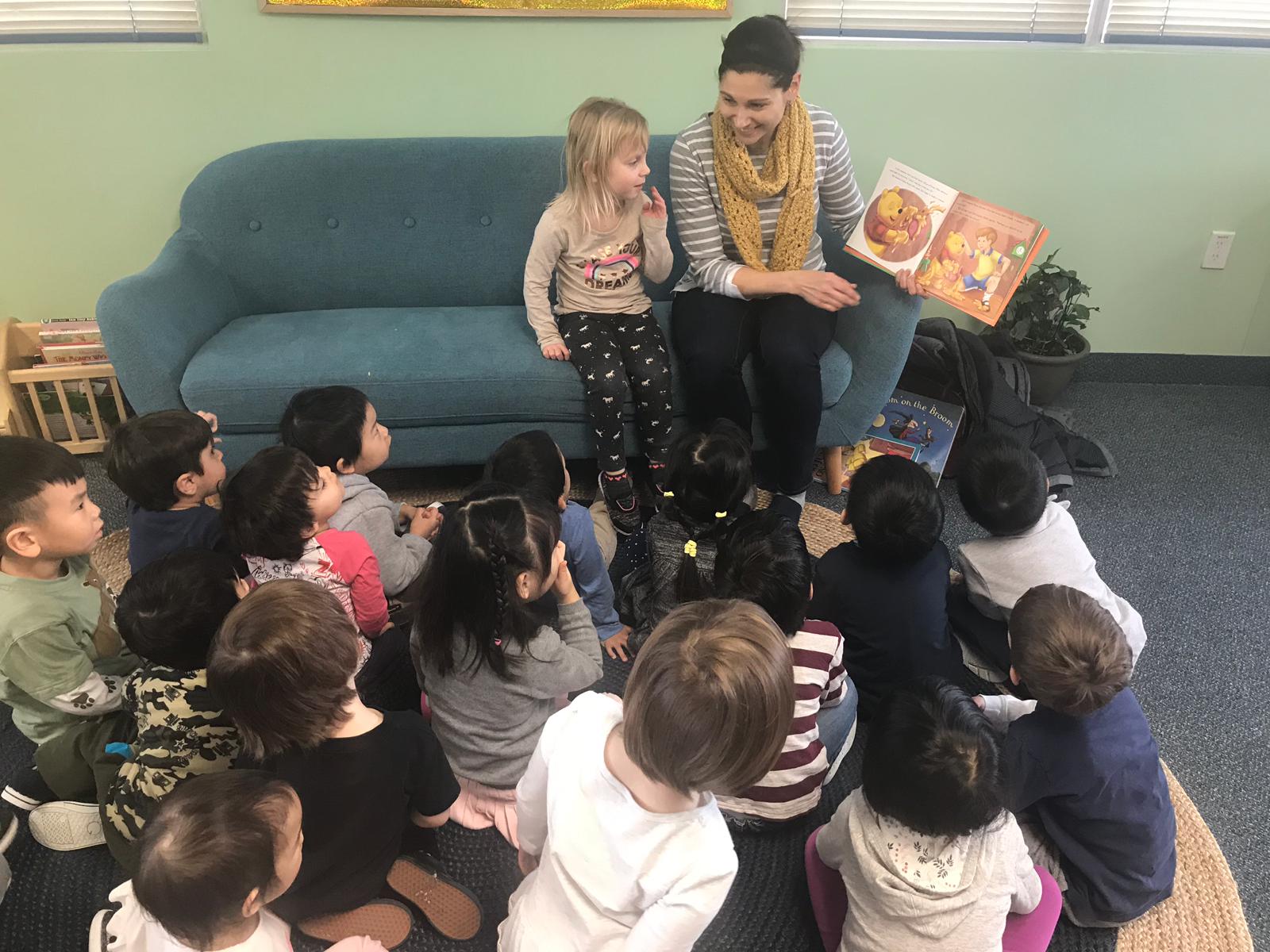
See the philosophy in a real classroom

A visit shows the prepared environment, the materials, and the way children work more clearly than a page can.